


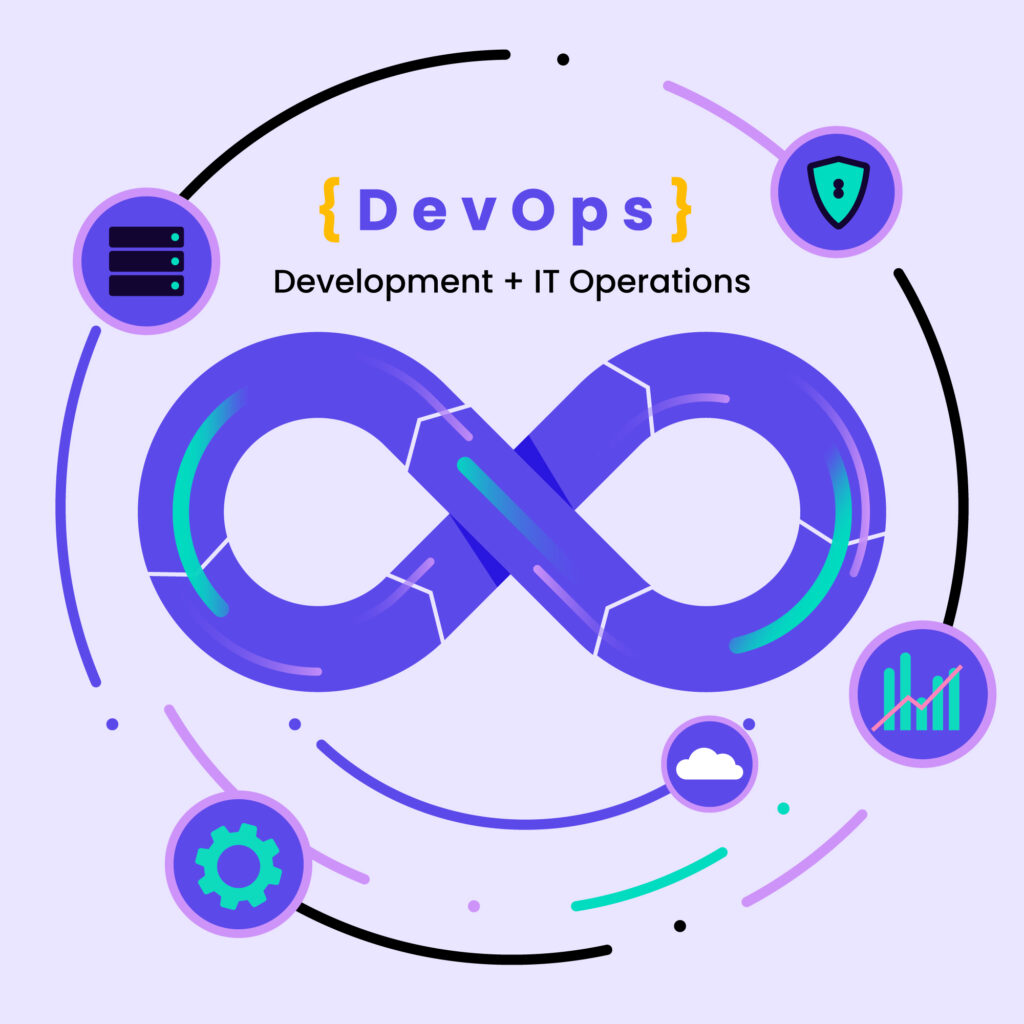
While tools play a significant role, the real strength of DevOps lies in how teams collaborate, experiment, and improve continuously. A high-performing DevOps team is the backbone of successful digital transformation. This article explores best practices for building and sustaining strong DevOps teams.
1. Break the Silos – Foster True Collaboration
The first and most critical practice in DevOps is to remove barriers between development and operations. Instead of working in isolation, teams must share responsibility for both software creation and maintenance. This mindset shift ensures that developers understand operational challenges and operations engineers contribute to product improvement.
2. Adopt Automation Everywhere
Automation is the heartbeat of DevOps. It reduces manual errors, saves time, and ensures consistency. Key areas where automation should be prioritized include:
Deployment – CI/CD pipelines for seamless releases.
Monitoring – Automated alerts for system health and performance.
3. Embrace CI/CD Pipelines
A robust CI/CD pipeline allows code to flow smoothly from development to production. With every code change automatically tested and deployed, organizations can roll out new features or fixes multiple times a day without downtime.
4. Prioritize Security – Shift Left
Security cannot be treated as an afterthought. In DevOps, this approach is called “Shift Left Security”, where security checks are performed early in the development process. Tools like SonarQube, Snyk, and Trivy help identify vulnerabilities in code and containers before deployment.
5. Build a Feedback-Driven Culture
Feedback loops are essential for continuous improvement. Monitoring tools, error reports, and customer feedback must be integrated into the development cycle. This ensures that issues are detected early and improvements are based on real-world usage data.
6. Encourage Continuous Learning
DevOps teams must constantly upskill in new technologies like Kubernetes, microservices, AI in DevOps, and cloud-native architectures. Regular training, certifications, and knowledge-sharing sessions help teams remain future-ready.
7. Track Metrics that Matter
To measure the effectiveness of DevOps, teams should track key metrics such as:
Deployment Frequency
Lead Time for Changes
Mean Time to Recovery (MTTR)
Change Failure Rate
These metrics give insight into productivity, quality, and resilience.
8. Start Small and Scale Gradually
Organizations often fail by trying to implement DevOps everywhere at once. Instead, it’s wise to start with a small project, implement best practices, measure results, and then scale across other projects.
9. Balance Tools and Culture
While tools are important, they cannot replace collaboration and mindset. A DevOps culture must encourage trust, ownership, and transparency across all stakeholders.
10. Celebrate Successes and Learn from Failures
Recognizing achievements motivates teams, while openly analyzing failures helps prevent them in the future. DevOps thrives in environments where learning is prioritized over blame.
Conclusion
Building a high-performance DevOps team is not just about adopting the latest tools but about fostering a culture of collaboration, automation, and continuous improvement.